
6 Reasons Challenging Word Search Puzzles are the Perfect Brain Workout for Adults
Updated: Apr 27

Challenging word search puzzles have quietly become one of the fastest-growing forms of adult brain training. What used to be seen as a simple pastime is now recognised as a powerful tool for focus, mental clarity, cognitive sharpness, and stress relief. For adults looking for an activity that is relaxing but not mindless—and stimulating without being overwhelming—a hard word search hits the sweet spot.
In this article, we’ll explore why challenging word search puzzles are good for your brain, what makes some puzzles harder than others, and how they can become part of a sustainable mental wellbeing routine.
1. They Strengthen Your Working Memory
Working memory is the mental "notepad" your brain uses to temporarily store and process information. It helps you keep track of instructions, hold numbers in your head, and stay organised. When solving a challenging word search, your brain is constantly:
Holding the target word in mind
Scanning the grid for patterns
Comparing potential sequences
Eliminating mismatches
Recalling letter placement
This process lights up working-memory centres in the brain and keeps them active—especially important for adults who want to stay sharp as they age.
2. They Improve Pattern Recognition Skills
Hard word searches contain:
Larger grids
Diagonal and backwards placements
Overlapping word paths
“Distractor” letter clusters
Similar-looking terms
Dense blocks of repeating characters
Recognising patterns in this environment trains your brain to find meaning in complexity—a skill that transfers to real-world problem-solving, reading cues in conversations, and deciphering visual data.
3. They Build Mental Endurance and Focus
In a world full of constant notifications and micro-distractions, quiet cognitive endurance is becoming rare.
Challenging word search puzzles demand:
Sustained concentration
Careful visual tracking
Patience
Step-by-step thinking
This “single-tasking” strengthens your attention span and reduces your brain’s urge to jump to the next task. Think of it as meditation for logical thinkers.
4. They Reduce Stress and Improve Mood
Many adults find challenging word searches grounding, especially during stressful seasons. The act of scanning the page and finding small moments of success releases dopamine—a natural mood-lifter. Studies show that slow, focused puzzle-solving promotes relaxation by:
Reducing heart rate
Slowing breathing
Shifting the brain into a calm, task-oriented mode
Creating a sense of progress and control
5. They Keep the Brain Active With Age
Word puzzles have been linked to benefits like:
Slower cognitive decline
Better recall
Stronger problem-solving skills
Higher overall cognitive function
This makes challenging word searches an ideal activity for midlife adults and seniors who want to stay mentally active without pressure or frustration.
6. They’re Accessible to Everyone
Hard word searches are:
Low-cost
Screen-free
Ad-Free
Portable
Easy to start and stop
Suitable for all ages and fitness levels
Unlike many activities that require equipment or digital access, a good puzzle book only needs a pen.
Challenging word search puzzles are far more than childhood pastimes—they’re an all-in-one brain workout for adults seeking clarity, calm, and cognitive strength. The best part? They fit easily into daily life, whether you solve one puzzle a day or save them for quiet weekends.
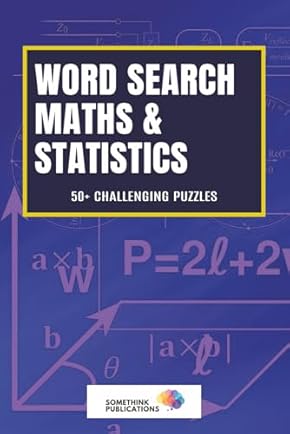
Challenging Word Search with Maths and Statistics Terminology 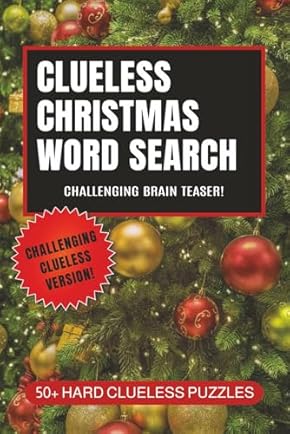
Clueless Christmas Word Search with more Challenge as there are no clues only a theme 
2026 Events and Celebrations turned into Word Search Themes
Click on the Titles above, or see the total SomeThink Puzzle Book range on Amazon by clicking the button below.
Tips for Solvers Tackling Difficult Word Searches
If you want to improve your skills with challenging word searches, consider these strategies:
Familiarize yourself with the theme. Learning some background vocabulary helps.
Scan systematically. Look row by row, column by column, and diagonally.
Look for unusual letter combinations. Certain letter pairs or clusters stand out.
Use a pencil or digital tool to mark found words. This prevents confusion.
Take breaks if stuck. Returning with fresh eyes can reveal hidden words.
These approaches help solvers stay focused and improve their success rate.


Comments